


A one-second delay in page load time can lead to fewer page views, a decrease in customer satisfaction, and a loss in conversions. Content marketing is undoubtedly effective at getting sites to rank in search engines, but the lack of attention to infrastructure will eventually decrease your conversion rates. In this blog, you'll learn the importance of page speed and website speed optimization.
In a recent site speed study by Moz, it was shown that pages loaded in under one second converted at a rate around 2.5 times higher than pages that loaded slower than five seconds or more.
The conversion rate benefits of a fast site are significant and the demand for fast user experiences is widening quickly.
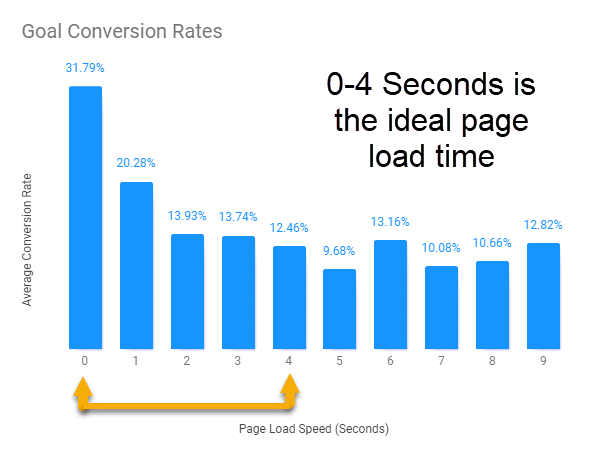
Image Source: Moz
How website speed optimization influences conversions?
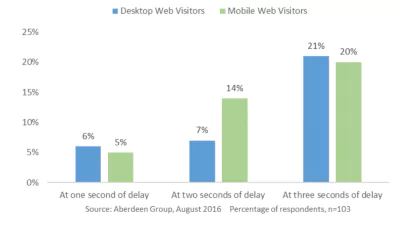
If your website is taking more than three seconds to load then you will lose almost half of your visitors before they even arrive on your site. You will lose out on sales and traffic if your site loads slowly.
According to the 2018 research by Google, 53% of mobile users leave a website that takes longer than three seconds to load. As the page load speed is very important for a better user experience, Google rolled out a new page speed update to their algorithm in July 2018, which makes a speed critical factor for everyone.
But it is not hard to improve, there are several tools, tips and tricks you can use to help your site load faster and improve in traffic and search engine rankings.
Here is how you can do just that.
Tools to Learn How Fast Your Site Loads
The first step to improving the site load speed is learning what the current speed is. Here are few tools you can use to know the site load speed:
Page Speed Insights
It is a tool by Google and it not only provides a detailed description of how fast your site loads on desktop and mobile, but it also gives a step-by-step breakdown of exactly how to improve it. You can also use the Lighthouse tool by Google which offers a similar but not identical analysis of areas to improve on your site.
Pingdom
The Pingdom page speed tool provides a lot of information related to how to improve the site load speed. It is similar to Google's tool, it also gives a step-by-step breakdown of exactly how to improve it.
WebPage Test
It is a free tool you can use to understand what is going on behind your website and what potential problems are there.
GTmetrix
Like other tools, GTmetrix also informs you what is making your site load slowly and fix it. You can set automatic alerts to get notified if your site suddenly starts loading at a speed below a certain threshold.
How To Speed Up Your Site?
Before you start working on your site load speed, set a goal for where you want it to be. According to Google, best practice is three seconds and according to its report most sites are nowhere near that.
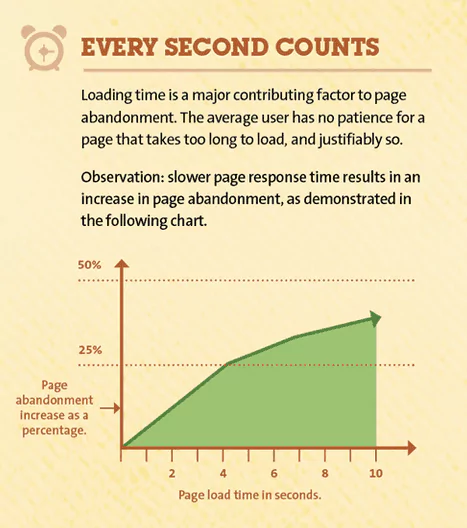
Image Source: Hobo
Shrink your images
The first indicator of a website is the total file size of the set of images, scripts, and files needed to display the page properly. Research in 2018 most sites are in the range of 1.3 MB to 2.5 MB, despite a recommendation of under 500 KB.
You can use a tool to adjust the size of the image and you can also use a different format. Currently if you have .png images, you can probably convert them to compressed .jpg images without losing much detail.
Improve your JavaScript and Cascading Stylesheets (CSS)
Instead of including the same code on every page, move CSS rules or JavaScript snippets into an external file. The advantage of doing this is that you have to load the document one time for each visit to the site.
Minimize HTTP requests
Most of the web pages load time is spent downloading the different parts of the page, like images, stylesheets and scripts. Figure out how many requests your site currently makes, if you use google chrome then you can use the browser's developer tools to see the number of requests.
Reducing the number of requests will speed up your site, so look through your files and see if any are unnecessary.
Minimize time to first byte
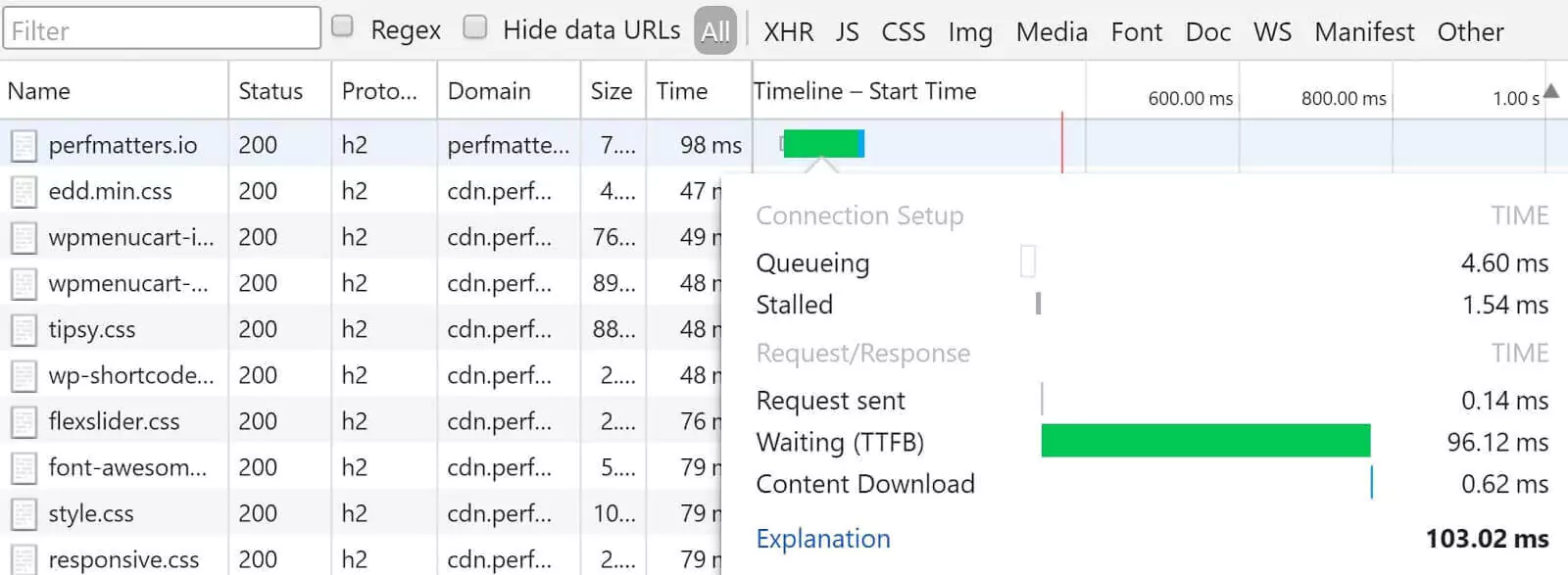
Time to first byte (TTFB) is the duration of time a browser has to wait before getting its first byte of data from the server. Google suggests a TTFB of less than 200 ms.
Image Source- Chrome DevTools
Reduce server response time
A domain name system (DNS) is a server with a database of IP addresses and their associated hostnames. When a user types a URL in the browser, a DNS server translates that URL into the IP addresses that indicates its location online. The amount of time DNS server takes depends on how fast your DNS provider is.
Conclusion
In the early days of Digital marketing, it was okay to have slow site speed. That was just how the world wide web was and people didn't expect much.
But today in 2020 the sites need to load faster than the sites of 2009 or 2010 and Google values fast-loading sites more.
Your site speed contributes to the rise and fall of your conversion rate. To start improving site load speed, learn how long it takes to load and check the steps you should take to solve the problem.
Work on the basics first and then move to advanced strategies to improve the loading time or just get our help. Appiness Interactive, a top Digital Marketing Agency in Bangalore, will maintain your load speed effectively by employing research-based methods.